For Complete Beginners
Brazilian Jiu Jitsu
for Beginners
in London
No experience. No particular fitness level. No martial arts background. Just show up — we'll take care of everything else.
6-Week Beginner BJJ Course — Rolling Enrolment
£100 · Free gi included (worth £98)
The Basics
What is Brazilian
Jiu Jitsu?
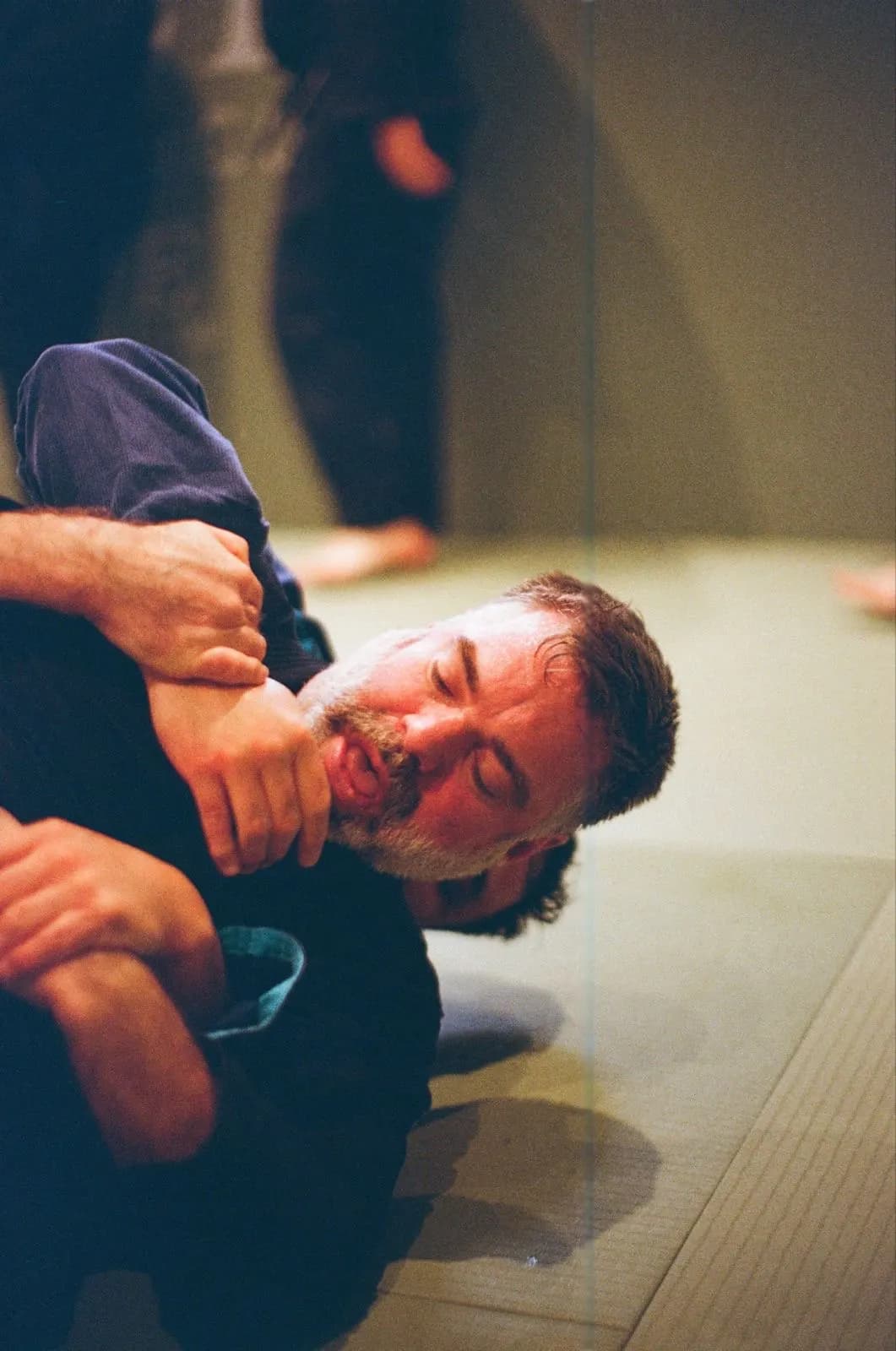
Brazilian Jiu Jitsu (BJJ) is a grappling martial art that focuses on ground fighting. Rather than striking — punching or kicking — BJJ teaches you to take an opponent to the ground, gain a dominant position, and apply joint locks or chokes to force a submission.
The defining principle of BJJ is that technique and leverage beat size and strength. A smaller, technically skilled practitioner can control and submit a much larger opponent — not through force, but through understanding how the body works and using that knowledge to their advantage.
This is what makes BJJ genuinely different from most other sports and martial arts. It is the one discipline where the smaller person can realistically win — and it is why BJJ has become the foundation of modern mixed martial arts and one of the most widely practised self-defence systems in the world.
Beyond the practical side, BJJ is deeply strategic. Every roll — every live sparring session — is a problem-solving exercise under pressure. It sharpens your mind as much as your body, and the process of improvement never stops.
Ground-based fighting
BJJ takes place primarily on the floor. You learn to work from your back, gain top position and control your opponent.
Submissions, not strikes
The goal is to apply a joint lock or choke that forces your opponent to tap. No punching or kicking.
Leverage over strength
Correct technique applies mechanical force far more efficiently than raw power. Size matters less than you think.
Practised live with a partner
Unlike many martial arts, BJJ is tested in live sparring from early on. You'll quickly learn what works in practice.
One of the most effective self-defence systems
Because real altercations frequently go to the ground, BJJ skills are among the most practically useful you can develop.
Getting Started
Is BJJ Good
for Beginners?
Yes — BJJ is genuinely well-suited to beginners, and the sport actively accommodates people at the very start of their journey. Unlike some martial arts where you spend months on repetitive basics before any live practice, BJJ gets you moving and sparring relatively quickly, which accelerates learning and keeps things engaging.
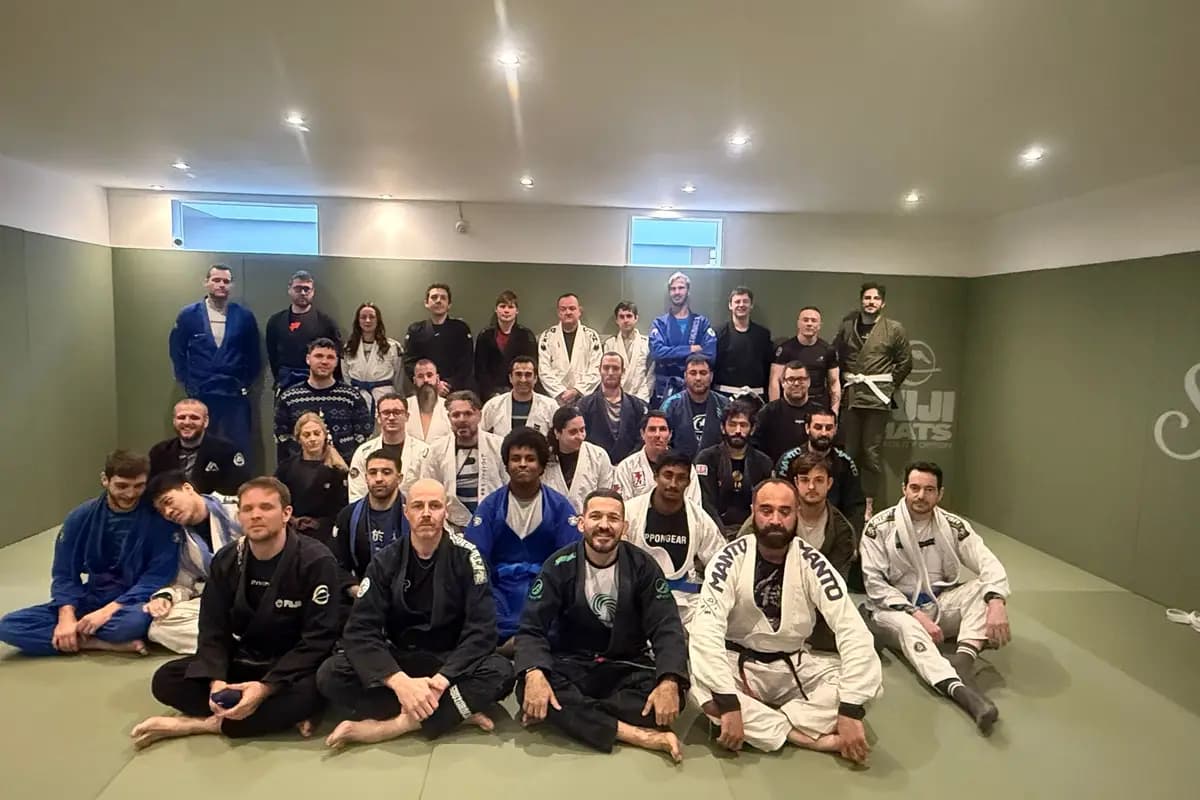
At Wave BJJ, the overwhelming majority of adult students started with no martial arts background at all. They range in age from their 20s to their 50s, come from all walks of life and had very different reasons for starting. What they share is that they took the first step — and it changed things.
The learning curve is real. BJJ is a complex, technical discipline and progress in the early stages can feel slow. But this is precisely what makes it so rewarding. Every small improvement is earned, and the depth of the sport means you never run out of things to learn.
What beginners often find
The first class is confusing — and that is completely normal
Experienced training partners are patient and actively help beginners
Progress becomes noticeable within a few weeks of regular training
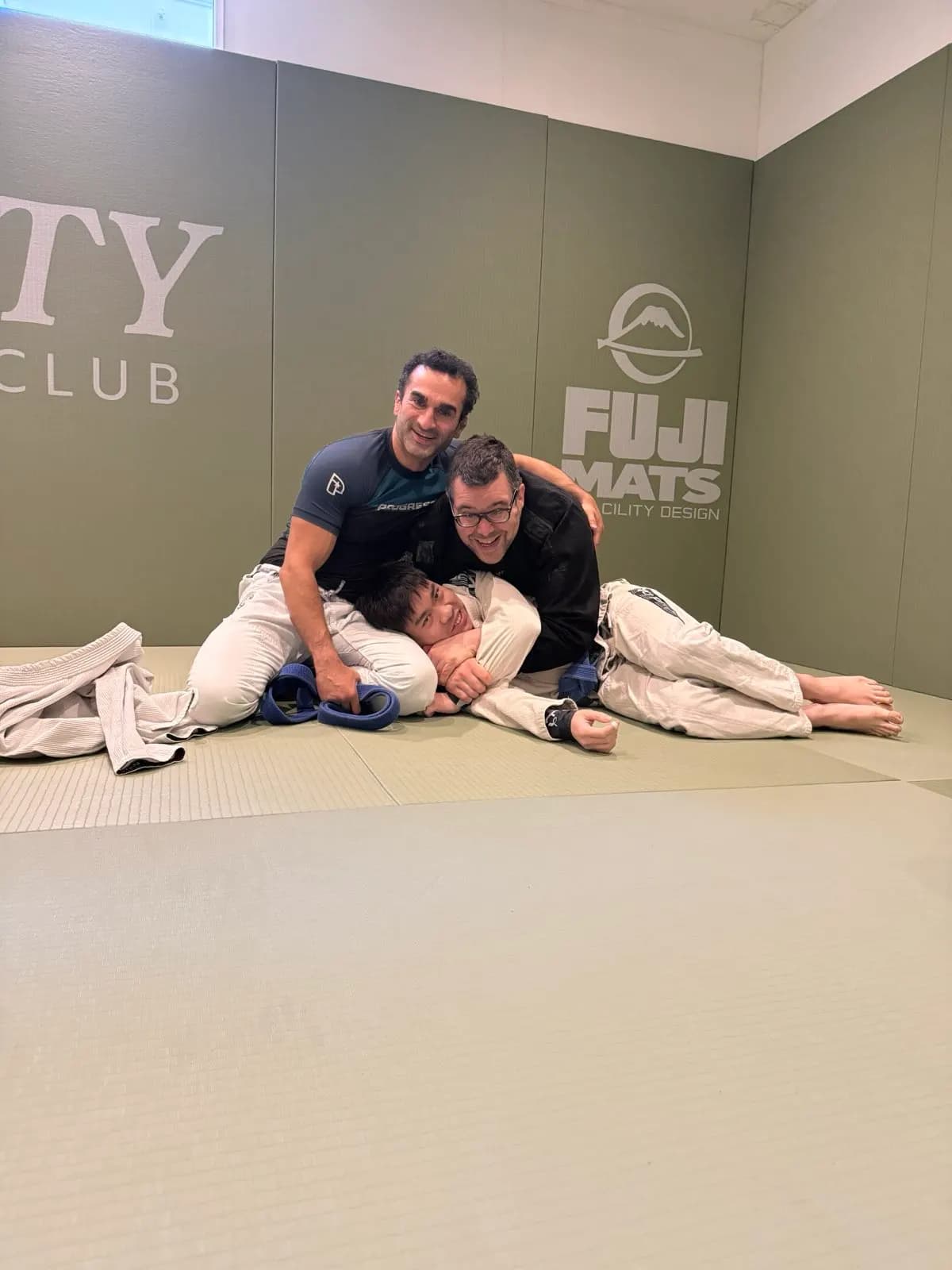
The community aspect is one of the biggest surprises — people are friendly
The physical challenge is real but rewarding, and fitness improves fast
Most people wish they had started sooner
The Right Place to Start
Our rolling 6-week beginner course runs continuously — no fixed start dates, no waiting. Join any week and follow a step-by-step curriculum through the core fundamentals before joining regular classes.
£100 · Free gi included
Common Question
Do You Need to Be Fit
to Start BJJ?
You do not need to be fit to start BJJ. This is one of the most common misconceptions about the sport — and it stops a lot of people from ever taking that first step.
BJJ will make you fit. Within weeks of regular training, most students notice significant improvements in their cardiovascular fitness, strength and flexibility — often without realising how hard they've been working.
The first few classes will feel physically demanding — that is honest. Your body will be moving in unfamiliar ways, using muscle groups it hasn't been asked to use before, and your heart rate will be elevated for most of the session. You may feel tired afterwards.
This is the beginning of getting fit, not a prerequisite for it. Every person who is now in good BJJ shape started exactly where you are. The conditioning comes with the training — you don't need it before you start.
The two-week trial is an excellent way to experience this firsthand. Train as many classes as you like over two weeks and notice how your body adapts. By the end of week two, most people are already moving more freely and recovering faster than in week one.
Your First Session
What Happens in
Your First Class?
Knowing what to expect before you arrive makes everything easier. Here is exactly what will happen.
You Arrive
Come in and introduce yourself to the coach. Let them know it is your first class. You will be welcomed — everyone remembers being new, and the culture at Wave BJJ is genuinely supportive. Wear comfortable athletic clothing.
Warm Up
The class opens with a structured warm-up. This typically involves movement drills specific to BJJ — shrimping, rolling, bridging — alongside light cardiovascular work. It prepares the body and introduces you to fundamental BJJ movements at the same time.
Technique Instruction
The coach demonstrates the techniques for the session, usually two or three connected moves. Instruction is clear and methodical. As a new student you will be paired with a patient, experienced partner who will help you understand and execute the movements.
Partner Drilling
You and your partner drill the techniques together, taking turns to apply and receive each movement. Repetition builds understanding. There is no competition at this stage — the goal is to learn the technique correctly.
Sparring (Optional)
Most classes end with live sparring — known as rolling. As a first-timer you will not be expected to spar unless you want to. Some beginners choose to watch, some do light positional work with a coach. There is no pressure either way.
After Class
Classes often finish with a brief group cool-down and review. After that, the mat tends to stay lively — people ask questions, drill extra, or simply chat. The community aspect of BJJ is real, and it starts immediately.
What to bring
A water bottle and a towel. Wear comfortable shorts and a t-shirt — no shoes on the mat. If you have long hair, tie it back. That is genuinely all you need.
Choose Your Path
Ways to Start Training
6-Week Beginner Course
A rolling 6-week structured programme for complete beginners. Learn the core fundamentals step by step in a focused environment before joining regular classes.
£100
Free gi included (worth £98)
Start Your Beginner Journey
Ready to dive in? Join the beginner programme for structured fundamentals classes, a supportive team around you and a clear path from your very first session. Free gi included.
Start Your JourneyFree First Class
Come and try a class on us — completely free, no commitment. One session is all it takes to know whether BJJ is for you, and there is zero pressure to return.
Claim Free ClassWhere We Are
Train in
Chiswick, West London
Wave BJJ is based inside Society Gym & BJJ on Chiswick High Road — a premium facility in the heart of West London. Easy to reach from across the city, with Stamford Brook Underground station just minutes away.
11–13 Chiswick High Road
London W4 2ND
3 min walk from Stamford Brook (District Line)
Take the First Step
Every black belt was once a white belt who decided to start. Yours starts here.